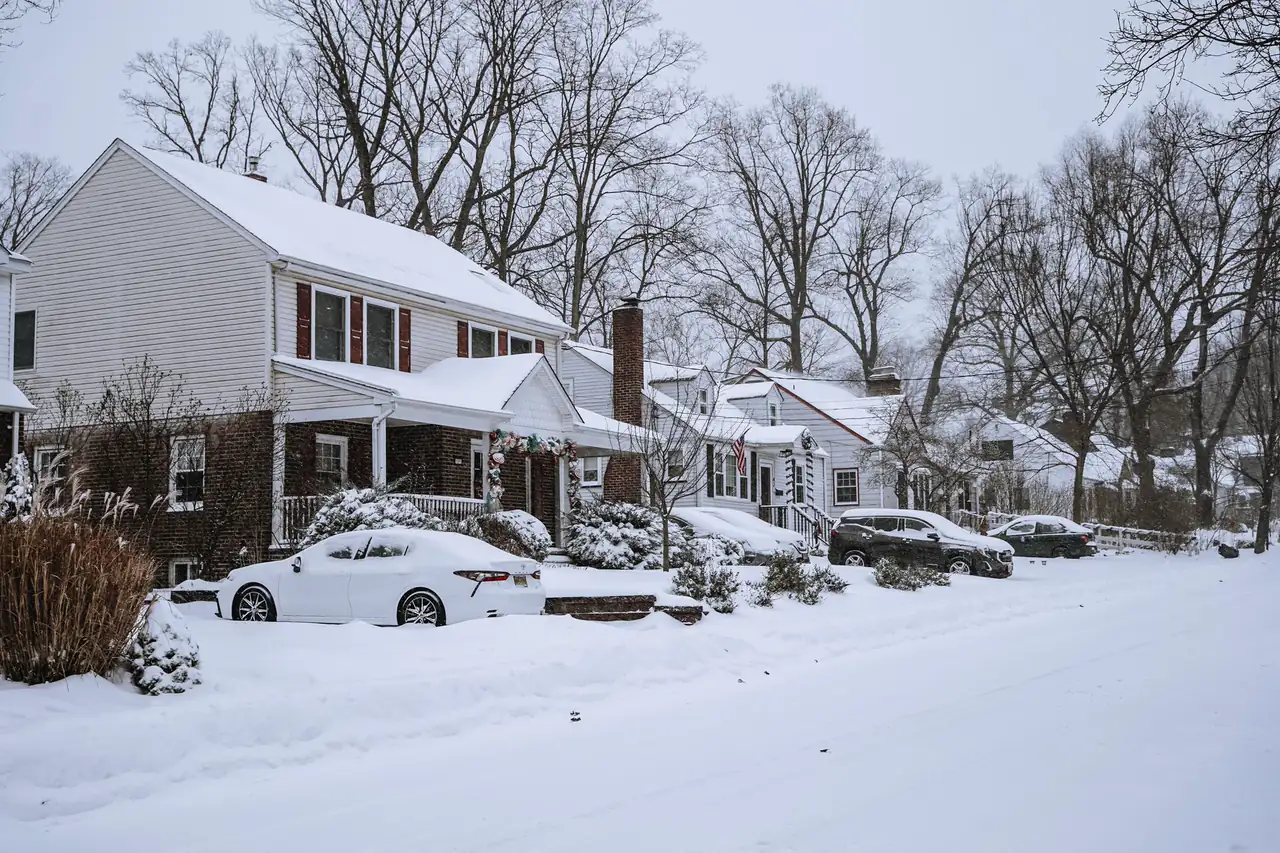
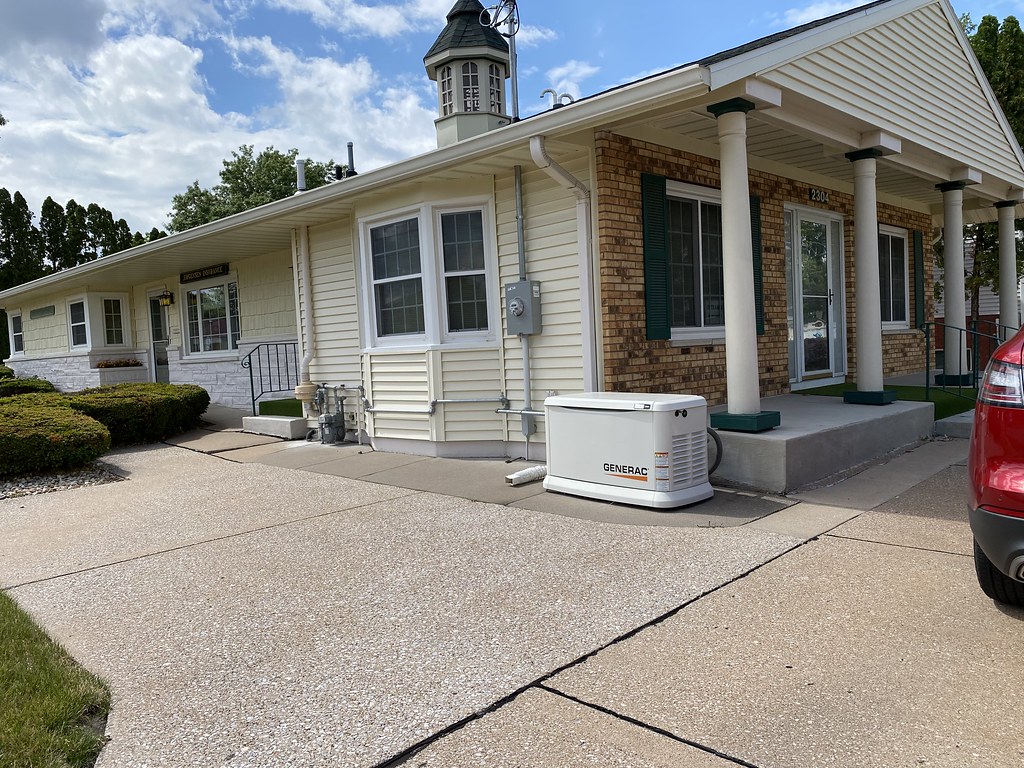
Around here the grid goes down every winter, and when it does your furnace and your sump pump go with it. A standby generator starts on its own within seconds and keeps the house running. We come look at your setup and tell you straight what size your house actually needs, not the biggest unit on the shelf.
Want us to come take a look? (716) 510-4227
When the power goes out in the winter, your furnace stops. The house starts cooling right away, and if it stays out for a day or two your pipes are at risk. Your sump pump stops too, so if it is a wet stretch the water starts coming up in the basement. The food in the fridge and the freezer goes bad. If anyone in the house runs medical equipment or needs to keep medication cold, that becomes the first thing you worry about.
This is not a rare event around here. In the December 2022 blizzard, more than 100,000 homes in the region lost power, some of them for days. Forty-seven people died in that storm, 46 of them in Erie County, and 11 people died in their own homes without heat. Most winters bring at least one storm that takes the block down. The question is not whether the power goes out. It is whether your house keeps running when it does.
A portable generator helps for a few things, but you have to be home to start it, you have to feed it gas, and it will not run the furnace and the sump and the well all at once. A standby generator sits outside like an AC unit, runs off your gas line, and starts on its own within seconds of the power dropping. You do not have to be home. You do not have to do anything. The lights, the heat, and the sump just stay on.
When the grid drops, the furnace goes with it. In a WNY winter the house cools fast and your pipes are at risk within a day.
Your sump pump stops the moment the power does. During a wet stretch the water starts coming up with nothing holding it back.
The fridge and freezer warm up, and anything that has to stay cold, including medication, is on the clock the whole outage.
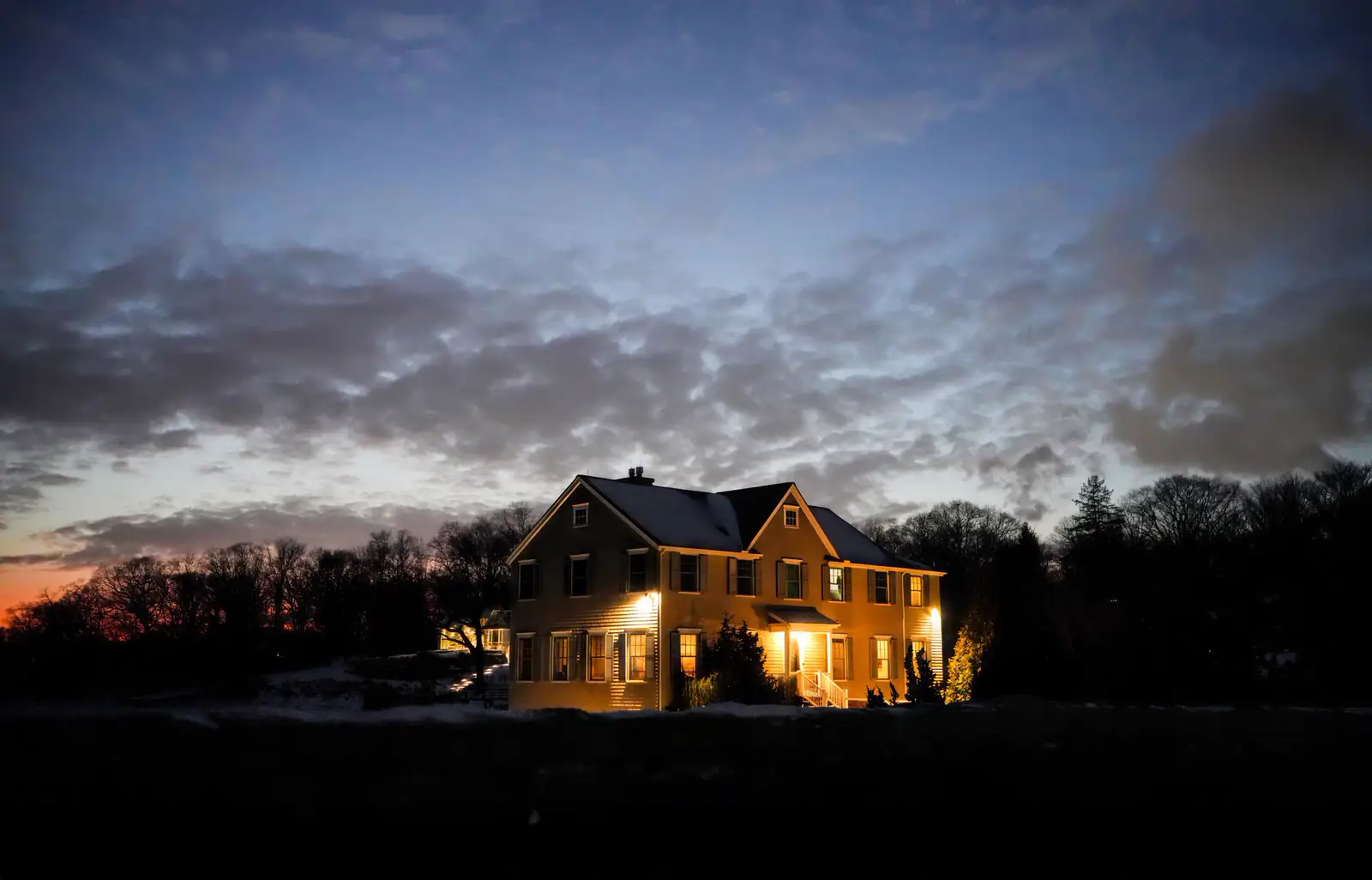
The most common way people overpay on a generator is buying more than their house needs. So we start at your house, not with a price. We come out, look at your panel, look at where your gas line runs, and look at where a unit could sit. Then we tell you straight what size actually covers your house and what it takes to put it in. That visit is free, and there is no pitch. If you decide you do not want to do it, that is the end of it.
If it makes sense to move forward, you get one price, up front, and that is what you pay. The number covers the generator, the transfer switch, the pad, the gas hookup, the permit, and the inspection. If we run into something once we start, we stop and check with you first. No surprise bills. It is done to code and signed off by an independent New York inspector, so it is clean for your file and your insurance. Most installs are a one to two day job.
One thing we check for early: an older 100 amp panel sometimes needs to be upgraded to safely add a whole house generator and its transfer switch. If yours does, you will know that up front, before we give you a number. You can read more about that on the 100 to 200 amp service upgrade page.
We run a load check on site so you get the size that actually covers you, not an oversized unit that pads the bill.
We pull the permit and an independent New York inspector signs it off. You get the certificate for your file and your insurance.
Generator, transfer switch, pad, and gas line, done as one job. Most installs wrap in a day or two.
Here is what a standby generator runs installed in the Buffalo suburbs, and what moves the number. You get the exact figure for your house after the free visit, and the quote is the price.
| Scenario | Typical installed (WNY) |
|---|---|
| Whole house standby (about 22kW), installed | $8,000 to $16,000 |
| With a long gas run or a required panel upgrade | $18,000 to $20,000 |
The lower "average" figures around $8,500 you see online are usually a smaller unit that only covers part of the house, not a whole house standby. The full range above includes the generator, the transfer switch, the pad, the gas hookup, the permit, and the inspection.
Most homes around here are covered by an 18kW to 22kW unit, enough to run the furnace, the sump pump, the fridge, the well or water, and most of the house at once, including central air on many setups. The right size depends on your square footage, whether you have AC, and what you want running during an outage. A bigger house or a "run everything at once" setup pushes you toward the top of that range. We size it at your house so you are not guessing and not overpaying.
You approve the number before anything happens, and you never pay for work you didn't sign off on. If we run into something once we start, we stop and check with you first. No surprise bills.
There is no fake countdown here, but there is a real reason not to wait. After a big storm the whole region calls at once, and there is a backlog on units and on installs. If you plan it in the fall, you are ready when the block goes dark instead of waiting weeks in the cold. Getting it in before winter is the whole point.
There is also a small piece worth knowing. Under New York law, if a utility outage of 20,000 or more customers runs 72 consecutive hours, you can claim up to $540 for spoiled food and medication, as long as you file within 14 days. That is real, but it does not keep your heat on or your basement dry. A standby generator does.
Tell us about your house. We look at your panel, your gas line, and where a unit would sit, then give you one honest number before any work starts.